
🚀 宇宙の記憶・カレンダー検索
🚀 象徴的な写真:
APOD第1回
🚀 創造の柱
🚀 スピリット火星着陸
🚀 ハッブル超深宇宙
🚀 地球へようこそ|ブルー・マーブル
🚀 エンケラドス
🚀 ベテルギウス
🚀 火星着陸
🚀 青い夕焼け
🚀 冥王星のハート
🚀 皆既日食
🚀 アースライズ再構築
🚀 ブラックホール
🚀 ウェッブ初画像
🚀 アポロ11着陸
APOD30周年(2025年6月16日)
水星:太陽に最も近い惑星
Mercury: Closest Planet to the Sun
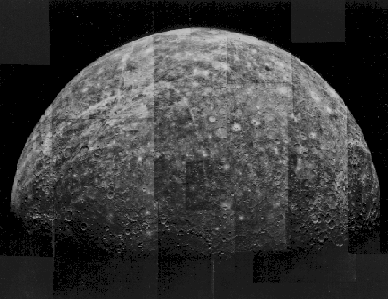
1995年8月14日 水星:太陽に最も近い惑星 提供:NASA、マリナー10号 説明:この画像は、1974年に水星を3回通過したNASAの宇宙船マリナー10号が撮影した画像から作成されました。水星は太陽に最も近い惑星であり、2番目に暑い惑星(金星の方が暑い)、そして2番目に小さい惑星(冥王星の方が小さい)です。水星の自転は非常に遅いため、水星の1日(日没から日没までの通常の時間)は地球の176日にもなります。水星を見るのが難しいのは、暗いからではなく、常に太陽の近くに見えるため、日没直後または日の出直前の短い時間しか見えないからです。水星は地球と同じように岩石質の物質でできています。水星がなぜそのような磁場を持っているのかは誰も知りません。
原文(English)
August 14, 1995 Mercury: Closest Planet to the Sun Credit: NASA, Mariner 10 Explanation: This picture was compiled from images taken by the NASA spacecraft Mariner 10 which flew by the planet three times in 1974. Mercury is the closest planet to the Sun, the second hottest planet (Venus gets hotter), and the second smallest planet (Pluto is smaller). Mercury rotates so slowly that one day there - "day" meaning the normal time it takes from sunset to sunset - lasts 176 days on Earth. It is difficult to see Mercury not because it is dim but because it always appears near the Sun, and is therefore only visible for a short time just after sunset or just before sunrise. Mercury is made of rocky material like Earth. No one knows why Mercury has the magnetic field that it does.
\ この感動を宇宙仲間にシェア /
宇宙をXでシェア
© NASA / APOD