
🚀 宇宙の記憶・カレンダー検索
🚀 象徴的な写真:
APOD第1回
🚀 創造の柱
🚀 スピリット火星着陸
🚀 ハッブル超深宇宙
🚀 地球へようこそ|ブルー・マーブル
🚀 エンケラドス
🚀 ベテルギウス
🚀 火星着陸
🚀 青い夕焼け
🚀 冥王星のハート
🚀 皆既日食
🚀 アースライズ再構築
🚀 ブラックホール
🚀 ウェッブ初画像
🚀 アポロ11着陸
APOD30周年(2025年6月16日)
翻訳エラー: Exception: 1 日にサービス translate を実行した回数が多すぎます。
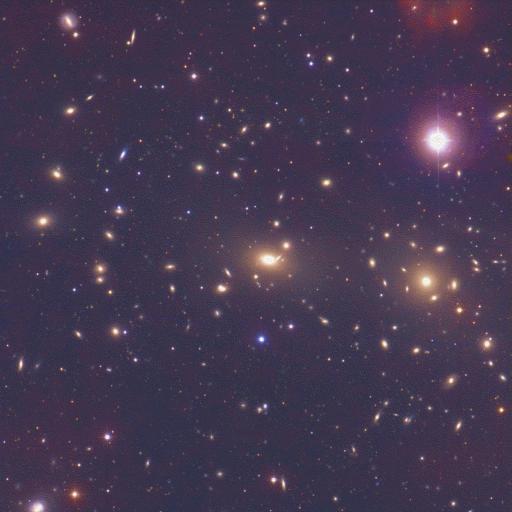
The Coma Cluster of Galaxies
翻訳エラー: Exception: 1 日にサービス translate を実行した回数が多すぎます。
原文(English)
Almost every object in the above photograph is a galaxy. The Coma Cluster of Galaxies pictured above is one of the densest clusters known - it contains thousands of galaxies. Each of these galaxies houses billions of stars - just as our own Milky Way Galaxy does. Although nearby when compared to most other clusters, light from the Coma Cluster still takes hundreds of millions of years to reach us. In fact, the Coma Cluster is so big it takes light millions of years just to go from one side to the other! Most galaxies in Coma and other clusters are ellipticals, while most galaxies outside of clusters are spirals. The nature of Coma's X-ray emission is still being investigated.
\ この感動を宇宙仲間にシェア /
宇宙をXでシェア
©
O. Lopez-Cruz
(INAOEP) et al.,
AURA,
NOAO,
NSF
/ APOD