
🚀 宇宙の記憶・カレンダー検索
🚀 象徴的な写真:
APOD第1回
🚀 創造の柱
🚀 スピリット火星着陸
🚀 ハッブル超深宇宙
🚀 地球へようこそ|ブルー・マーブル
🚀 エンケラドス
🚀 ベテルギウス
🚀 火星着陸
🚀 青い夕焼け
🚀 冥王星のハート
🚀 皆既日食
🚀 アースライズ再構築
🚀 ブラックホール
🚀 ウェッブ初画像
🚀 アポロ11着陸
APOD30周年(2025年6月16日)
NASAのX-43Aスクラムジェットが対気速度記録を樹立
NASA's X-43A Scramjet Sets Air Speed Record
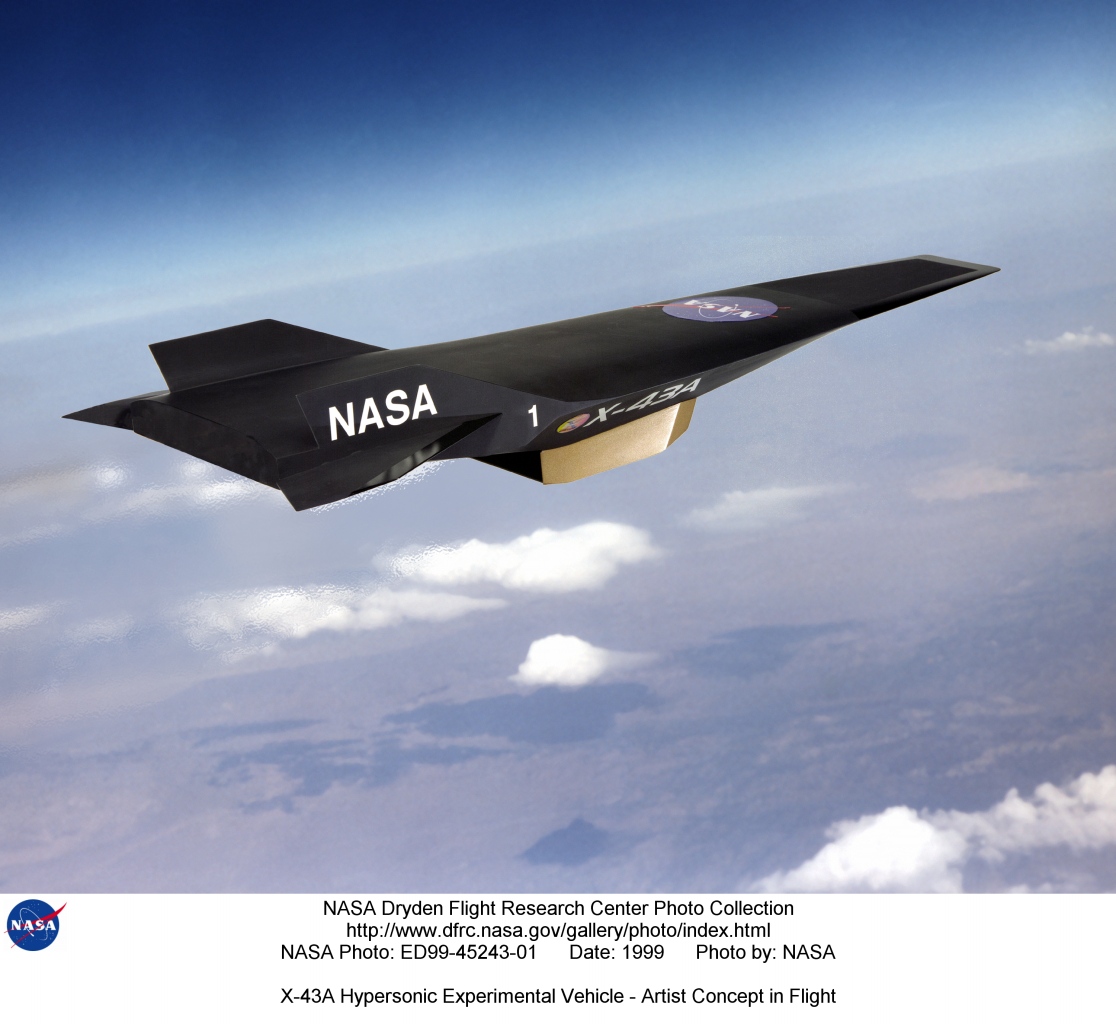
今週末、NASAの実験用ジェット機が、大気中の酸素を利用して、太平洋上空の大気中でマッハ7を超える速度で飛行した。小型の自動操縦機X-43AハイパーXは、改造された巨大なB-52爆撃機から投下され、標準的なペガサスロケットで加速された。音速の7倍にあたるマッハ7で、X-43Aは分離し、新型スクラムジェットが作動した。大気中の酸素が取り込まれ、機内の水素と結合され、飛行中に燃焼して、X-43Aはその後10秒間の操縦中に記録的な速度で飛行した。ラムジェット設計のエンジンは、重い燃料タンクなしで衛星を打ち上げる方法として提案されており、星間宇宙旅行へのロマンさえも語られている。ジェット機による飛行のこれまでの最高速度記録は、退役したSR-71のマッハ3.3だった。再突入する宇宙ロケットは、大気によって減速される前にマッハ36もの速度で飛行を開始することができる。上のイラストに描かれているX-43Aは、将来の試験でマッハ10を超える速度を達成する可能性も十分にある。
原文(English)
Using oxygen from the air itself, a NASA experimental jet propelled itself past Mach 7 in the atmosphere above the Pacific Ocean this weekend. The small automated X-43A Hyper-X craft was dropped from a huge converted B-52 bomber and then accelerated by a standard Pegasus rocket. At Mach 7, seven times the speed of sound, the X-43A separated and the novel scramjet kicked in. Atmospheric oxygen was then scooped up, combined with onboard hydrogen, and combusted in flight to propel the X-43A to record air speeds during maneuvers over the next 10 seconds. Engines of ramjet design have been suggested as a satellite launch method without heavy fuel tanks and even romanticized for interstellar space travel. The previously acknowledged air-speed record for jet-powered flight was Mach 3.3 for the decommissioned SR-71. Re-entering space rockets can start as high as Mach 36 before the atmosphere decelerates them. The X-43A, depicted in the artist's illustration above, might well propel itself past Mach 10 in future tests.
\ この感動を宇宙仲間にシェア /
宇宙をXでシェア
© NASA / APOD