
🚀 宇宙の記憶・カレンダー検索
🚀 象徴的な写真:
APOD第1回
🚀 創造の柱
🚀 スピリット火星着陸
🚀 ハッブル超深宇宙
🚀 地球へようこそ|ブルー・マーブル
🚀 エンケラドス
🚀 ベテルギウス
🚀 火星着陸
🚀 青い夕焼け
🚀 冥王星のハート
🚀 皆既日食
🚀 アースライズ再構築
🚀 ブラックホール
🚀 ウェッブ初画像
🚀 アポロ11着陸
APOD30周年(2025年6月16日)
ルリン彗星のスウィフトビュー
The Swift View of Comet Lulin
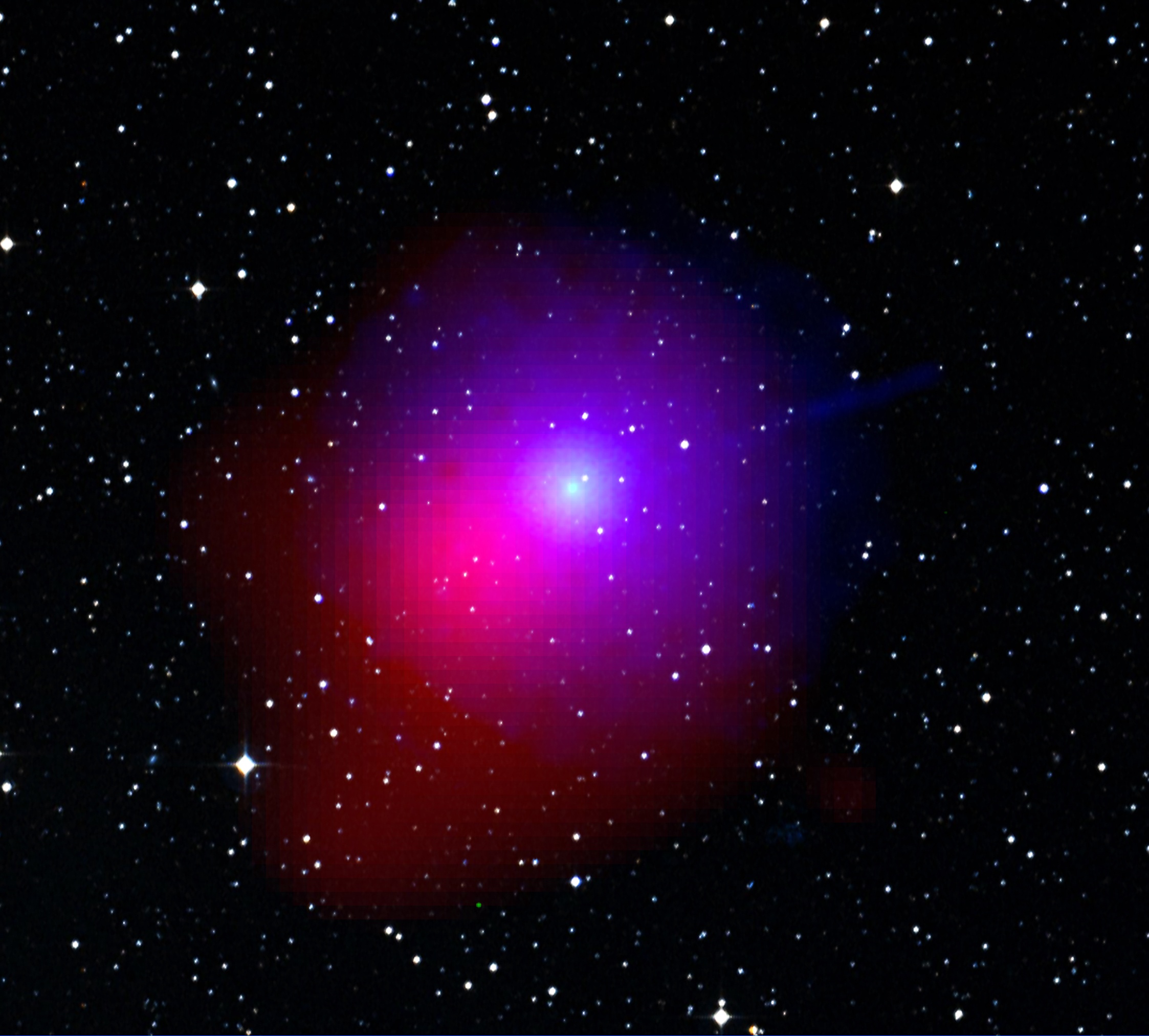
明るさを増しているルリン彗星は、来週初めに地球に最接近する予定です。しかし、地上の天文愛好家にはおなじみの彗星の緑がかった輝きは、周回衛星Swiftからのこの初公開画像では偽色に置き換えられています。通常は宇宙ガンマ線バーストを追跡することを目的としたSwift検出器からの画像データは、1月28日に記録されました。このデータは、背景の星のスカイサーベイ画像と組み合わされ、可視光と紫外線は緑がかった青色で、彗星からのX線は赤色で表示されています。この結果、太陽風イオンが膨張したコマ内のガスと相互作用することで、彗星の太陽側で顕著なX線放射がマッピングされています。また、太陽とは反対方向、つまり彗星の進行方向と尾の方向に、かなりの紫外線放射も示されています。紫外線放射は、水の分解によって生成されたOH分子によるもので、この非常に活動的な彗星によって大量の水が生成されていることを示しています。実際、天文学者たちは、ルリンが毎秒約800ガロンの水を放出していたと推定しており、これはオリンピックサイズのプールを15分足らずで満たすのに十分な量である。
原文(English)
Now growing brighter, Comet Lulin is headed for its closest approach to planet Earth early next week. But the comet's greenish glow, familiar to earthbound skygazers, is replaced by false colors in this premier view from the orbiting Swift satellite. Image data from the Swift detectors, normally intended to follow cosmic gamma-ray bursts, were recorded on January 28. The data are combined here, along with a sky survey image of background stars, to show optical and ultraviolet light in green-blue hues and x-rays from the comet in red. The result maps remarkable x-ray emission on the comet's sunward side as incoming solar wind ions interact with gases in the swollen coma. It also shows substantial ultraviolet emission opposite the Sun, in the direction of motion and the comet's tail. The ultraviolet emission is from the OH molecule derived from the breakup of water, an indicator of the copius amounts of water produced by this extremely active comet. In fact, astronomers estimate Lulin was releasing about 800 gallons of water each second, enough to fill an Olympic-size swimming pool in less than 15 minutes.
\ この感動を宇宙仲間にシェア /
宇宙をXでシェア
© NASA / APOD