
🚀 宇宙の記憶・カレンダー検索
🚀 象徴的な写真:
APOD第1回
🚀 創造の柱
🚀 スピリット火星着陸
🚀 ハッブル超深宇宙
🚀 地球へようこそ|ブルー・マーブル
🚀 エンケラドス
🚀 ベテルギウス
🚀 火星着陸
🚀 青い夕焼け
🚀 冥王星のハート
🚀 皆既日食
🚀 アースライズ再構築
🚀 ブラックホール
🚀 ウェッブ初画像
🚀 アポロ11着陸
APOD30周年(2025年6月16日)
メシエ2
Messier 2
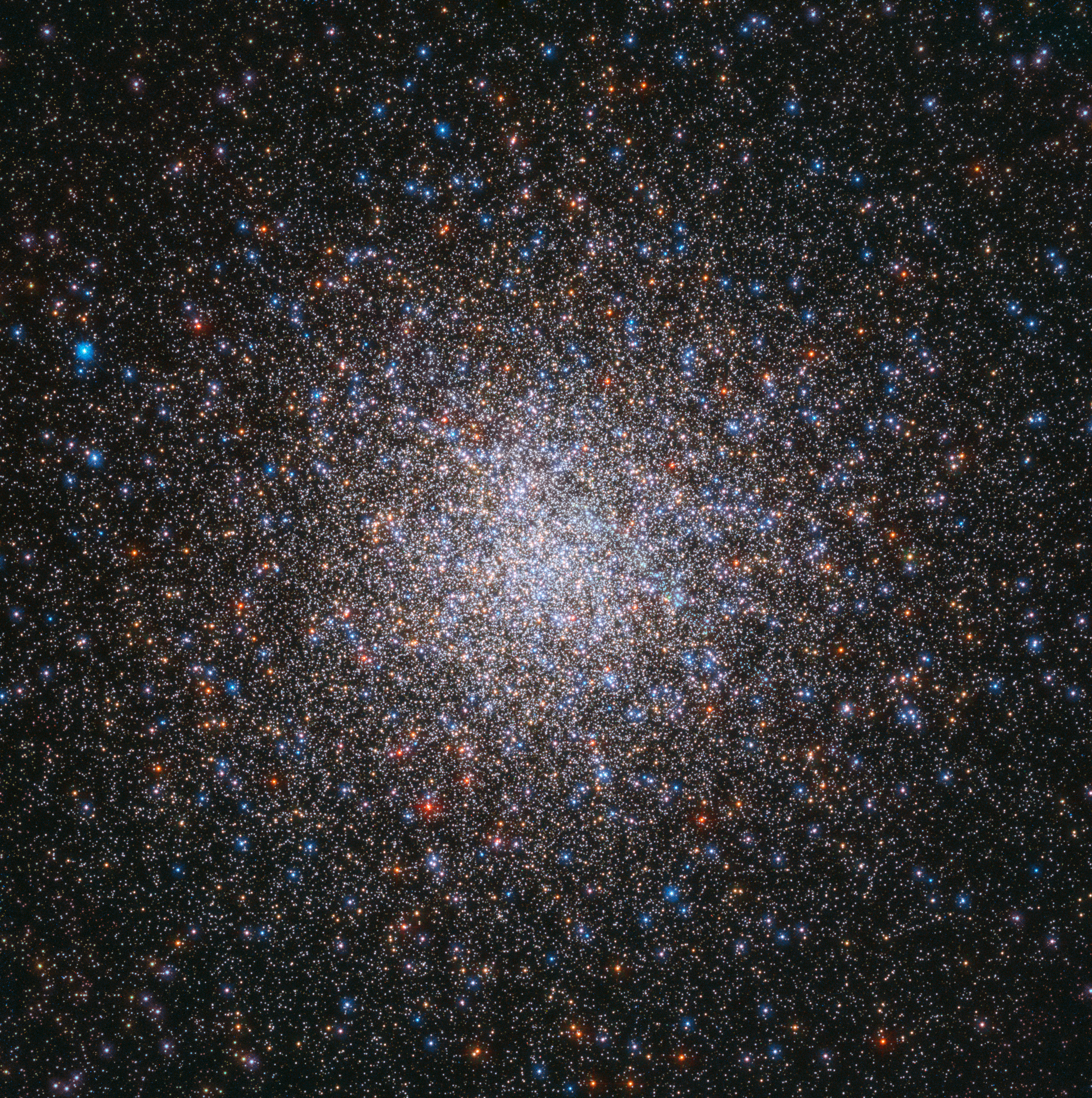
かに星雲M1に次いで、この巨大な星団は、18世紀の天文学者シャルル・メシエの有名な「彗星ではないもの」リストの2番目の項目です。M2は、現在知られている中で天の川銀河のハローをさまよう最大の球状星団の1つです。メシエは当初、星のない星雲と表現しましたが、このハッブル宇宙望遠鏡の素晴らしい画像は、M2の中心40光年にわたる星々を解像しています。その星の数は15万個近くあり、直径約175光年の範囲に集中しています。みずがめ座の方向に約5万5000光年離れたこの天の川の古代の住人、NGC 7089としても知られるこの星団は、130億年前のものです。
原文(English)
After the Crab Nebula, M1, this giant star cluster is the second entry in 18th century astronomer Charles Messier's famous list of things that are not comets. M2 is one of the largest globular star clusters now known to roam the halo of our Milky Way galaxy. Though Messier originally described it as a nebula without stars, this stunning Hubble image resolves stars across the central 40 light-years of M2. Its population of stars numbers close to 150,000, concentrated within a total diameter of around 175 light-years. About 55,000 light-years distant toward the constellation Aquarius, this ancient denizen of the Milky Way, also known as NGC 7089, is 13 billion years old.
\ この感動を宇宙仲間にシェア /
宇宙をXでシェア
© NASA / APOD