
🚀 宇宙の記憶・カレンダー検索
🚀 象徴的な写真:
APOD第1回
🚀 創造の柱
🚀 スピリット火星着陸
🚀 ハッブル超深宇宙
🚀 地球へようこそ|ブルー・マーブル
🚀 エンケラドス
🚀 ベテルギウス
🚀 火星着陸
🚀 青い夕焼け
🚀 冥王星のハート
🚀 皆既日食
🚀 アースライズ再構築
🚀 ブラックホール
🚀 ウェッブ初画像
🚀 アポロ11着陸
APOD30周年(2025年6月16日)
4月の百武彗星ファインダーチャート
Comet Hyakutake Finder Chart for April
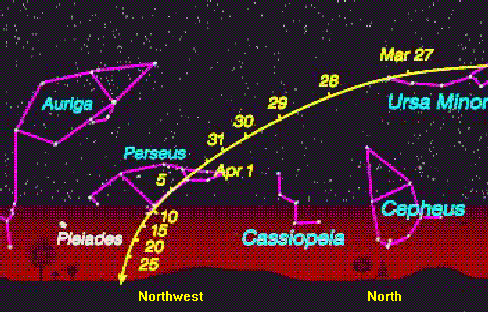
4月になると、百武彗星は地球を通過した後、太陽に向かって進みます。この時、彗星の軌道は地球の北側に位置しています。太陽に近づくにつれて北の空に見え続けますが、次第に夕方の沈む時刻が早くなります。4月上旬は、月の光によって彗星の尾が見えにくくなりますが、4月3日の月食の時は例外です。彗星は地球から遠ざかるにつれて、太陽に近づくにつれて本来の明るさは増しているにもかかわらず、暗く見えます。4月下旬になると、本来の明るさが増す効果が勝り、彗星は再び明るく見え、先週よりもさらに明るくなる可能性もあります。この頃には、彗星は日没近く、北西の地平線近くに見えます(上記参照)。これまでのところ、百武彗星は明るさと尾の長さにおいて、ほとんどの予想を上回っています。百武彗星に感動していないとしたら、おそらく暗い場所から見ていないのでしょう。最新の百武彗星の画像: JPL、Fayetteville Observer-Times、NASA の彗星の夜、ICSTARS、Crni Vrh Obs.、Cent.ミッチ・U
原文(English)
During April Comet Hyakutake heads in toward the Sun after passing the Earth. At this time the comet's orbit places it north of the Earth. Remaining visible in the northern sky as it nears the Sun, it will set progressively earlier in the evening. Early in April, the Moon's glow will diminish viewing of the comet's tail - except during the lunar eclipse on April 3rd! As the comet recedes from the Earth it will appear dimmer even though it is getting intrinsically brighter as it nears the Sun. In late April the intrinsic brightening effect will "win" and the comet will again appear to brighten - possibly getting even brighter than it was last week. At this point the comet will appear near sunset low on the northwestern horizon (see above). So far Comet Hyakutake has exceeded most expectations in brightness and length of tail. If you haven't been impressed by Hyakutake, you probably haven't seen it from a dark location! Latest Comet Hyakutake images: JPL, Fayetteville Observer-Times, NASA's Night of the Comet, ICSTARS, Crni Vrh Obs., Cent. Mich U.
\ この感動を宇宙仲間にシェア /
宇宙をXでシェア
© NASA / APOD