
🚀 宇宙の記憶・カレンダー検索
🚀 象徴的な写真:
APOD第1回
🚀 創造の柱
🚀 スピリット火星着陸
🚀 ハッブル超深宇宙
🚀 地球へようこそ|ブルー・マーブル
🚀 エンケラドス
🚀 ベテルギウス
🚀 火星着陸
🚀 青い夕焼け
🚀 冥王星のハート
🚀 皆既日食
🚀 アースライズ再構築
🚀 ブラックホール
🚀 ウェッブ初画像
🚀 アポロ11着陸
APOD30周年(2025年6月16日)
D. rad菌:宇宙飛行士候補
D. rad Bacteria: Candidate Astronauts
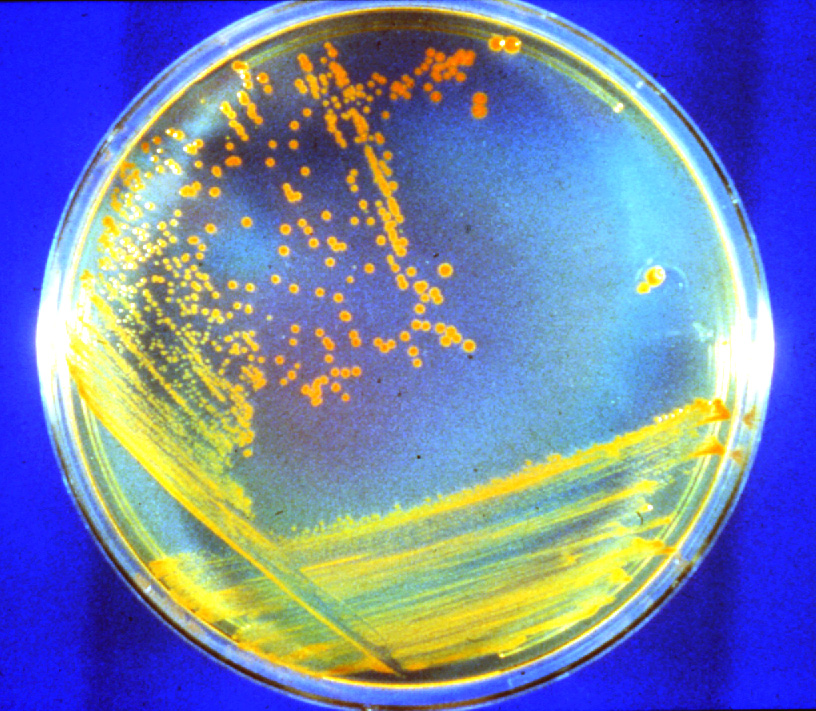
これらの細菌は別の惑星でも生存できる可能性があります。地球の実験室では、デイノコッカス・ラディオデュランス(D. rad)は、極度の放射線、極端な温度、脱水、遺伝毒性化学物質への曝露に耐えることができます。驚くべきことに、通常48時間以内に自身のDNAを修復する能力さえ持っています。極限環境微生物として知られるD. radのような細菌は、宇宙飛行士が他の惑星で生存するのを助けるために適応できる可能性があるため、NASAの関心を集めています。最近作成されたD. radのDNAマップにより、生物学者は生存能力に医薬品、きれいな水、酸素を生成する能力を追加できる可能性があります。すでに、有毒な水銀の流出事故の浄化を支援するために遺伝子操作されています。おそらく最も古い生存生物の1つであるD. radは、1950年代に食品保存技術を研究していた科学者が簡単に殺すことができなかったときに偶然発見されました。上の写真は、シャーレの中で静かに増殖するデイノコッカス・ラディオデュランスです。
原文(English)
These bacteria could survive on another planet. In an Earth lab, Deinococcus radiodurans (D. rad) survive extreme levels of radiation, extreme temperatures, dehydration, and exposure to genotoxic chemicals. Amazingly, they even have the ability to repair their own DNA, usually with 48 hours. Known as an extremophile, bacteria such as D. rad are of interest to NASA partly because they might be adaptable to help human astronauts survive on other worlds. A recent map of D. rad's DNA might allow biologists to augment their survival skills with the ability to produce medicine, clean water, and oxygen. Already they have been genetically engineered to help clean up spills of toxic mercury. Likely one of the oldest surviving life forms, D. rad was discovered by accident in the 1950s when scientists investigating food preservation techniques could not easily kill it. Pictured above, Deinococcus radiodurans grow quietly in a dish.
\ この感動を宇宙仲間にシェア /
宇宙をXでシェア
© NASA / APOD