
🚀 宇宙の記憶・カレンダー検索
🚀 象徴的な写真:
APOD第1回
🚀 創造の柱
🚀 スピリット火星着陸
🚀 ハッブル超深宇宙
🚀 地球へようこそ|ブルー・マーブル
🚀 エンケラドス
🚀 ベテルギウス
🚀 火星着陸
🚀 青い夕焼け
🚀 冥王星のハート
🚀 皆既日食
🚀 アースライズ再構築
🚀 ブラックホール
🚀 ウェッブ初画像
🚀 アポロ11着陸
APOD30周年(2025年6月16日)
百竹の核の近く
Near the Nucleus of Hyakutake
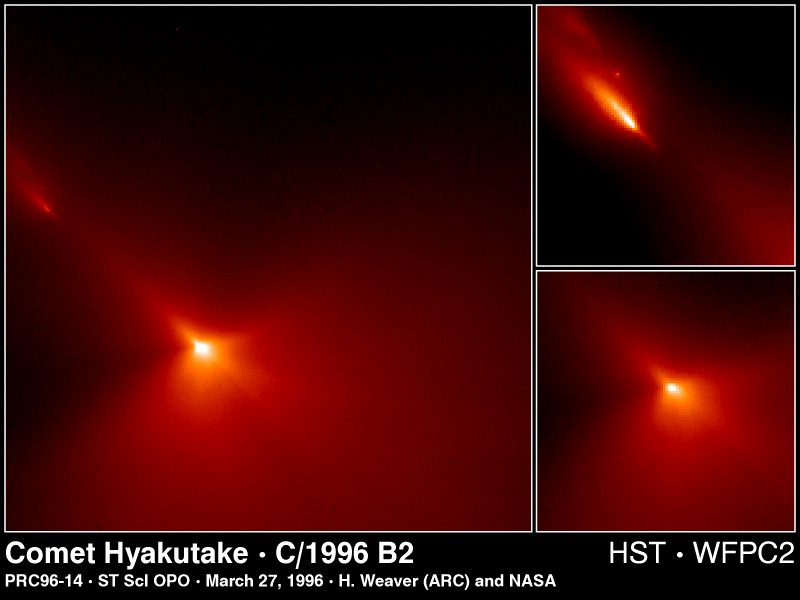
NASAのハッブル宇宙望遠鏡は、3月25日に百武彗星が地球から930万マイルまで接近した際に、その核付近の領域を撮影しました。この画像は、比較的「小さい」2,000マイル幅の領域を覆っており、太陽方向は右下(尾部方向は左上)です。画像には、太陽がこの汚れた「軌道上の氷山」の表面を加熱するにつれて、核の太陽側から大量の塵が噴出している様子が写っています。太陽光の圧力によって塵は最終的に尾部に押し出され、塵の生成が増加するにつれて、すでに視覚的に印象的な尾はさらに明るくなります。核の実際の大きさは不明ですが、ハレー彗星と同様に5~10マイルと推定されています。ここに示されているように、最も明るい点は核自体ではなく、おそらく最も強い塵の噴出の先端です。夜側からも劇的な塵の噴出が見られますが、私たちの視線に対する実際の角度を判断するのは困難です。画像の左上には、彗星の核から分離した大きな破片がいくつか見え、それぞれが独自の塵の尾を引いています。彗星の塵は太陽系形成時の原始物質を表している可能性があり、NASAは彗星の塵のサンプルリターンミッションを計画しています。最新の百武彗星画像:JPL、スロベニアのツルニ・ヴルフ天文台、フェイエットビル・オブザーバー・タイムズ、NASAの「彗星の夜」
原文(English)
NASA's Hubble Space Telescope captured this image of the near-nuclear region of Comet Hyakutake on March 25 as the comet approached within 9.3 million miles of the Earth. It covers a relatively "small" 2,000 mile wide area with the sunward direction toward the lower right (tailward is upper left). The image shows large amounts of dust jetting from the sunward side of the nucleus as the sun heats the surface of this dirty "orbiting iceberg". Pressure from sunlight eventually pushes the dust tailward and as the dust production increases, the already visually impressive tail will grow even brighter! The actual size of the nucleus is uncertain but is estimated to be 5-10 miles, similar to Comet Halley. As seen here, the brightest point is probably the tip of the strongest dust jet rather than the nucleus itself. A dramatic dust jet feature also appears to arise from the nightside but its true angle to our line of sight is difficult to judge. Some large fragments which have broken away from the comet nucleus are visible in the upper left of the image, producing dust tails of their own. Comet dust may represent primordial material from the formation of the solar system and NASA has plans for a comet dust sample return mission. Latest Comet Hyakutake images: JPL, Crni Vrh Observatory, Slovenia, Fayetteville Observer-Times, NASA's Night of the Comet
\ この感動を宇宙仲間にシェア /
宇宙をXでシェア
© NASA / APOD