
🚀 宇宙の記憶・カレンダー検索
🚀 象徴的な写真:
APOD第1回
🚀 創造の柱
🚀 スピリット火星着陸
🚀 ハッブル超深宇宙
🚀 地球へようこそ|ブルー・マーブル
🚀 エンケラドス
🚀 ベテルギウス
🚀 火星着陸
🚀 青い夕焼け
🚀 冥王星のハート
🚀 皆既日食
🚀 アースライズ再構築
🚀 ブラックホール
🚀 ウェッブ初画像
🚀 アポロ11着陸
APOD30周年(2025年6月16日)
ヴィダ湖の失われた世界
The Lost World of Lake Vida
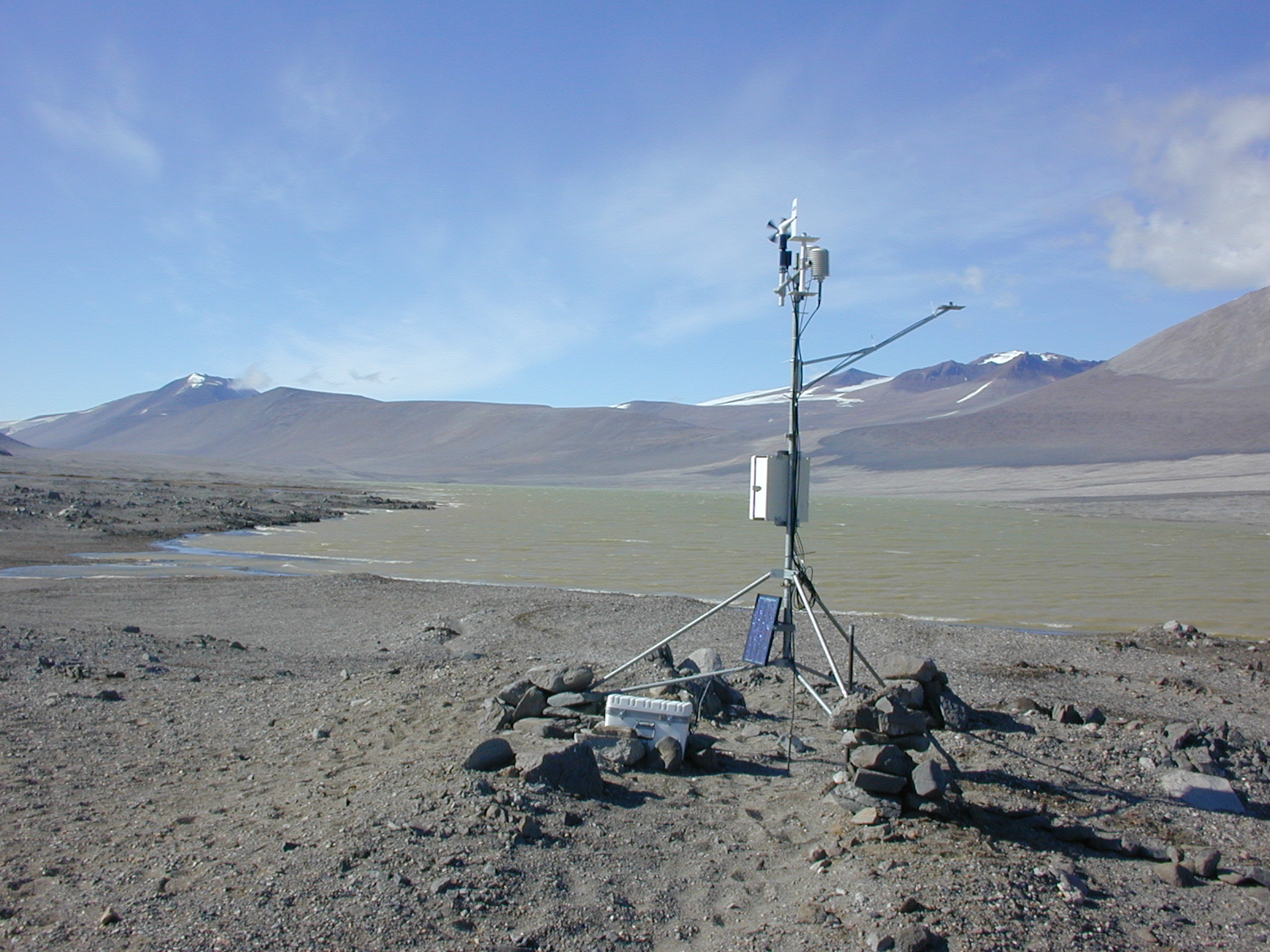
地球の底近くで、19メートルもの氷と砂利の下に隠された湖が発見された。そこには、地球の生態系とは全く異なる生態系が存在する可能性がある。アーサー・コナン・ドイルの古典小説『失われた世界』の現代版とも言えるこの湖で、NASAの資金援助を受けた科学者たちは現在、湖に掘削して水を採取し分析する計画を進めている。2500年以上もの間、南極の氷の下に埋もれていたヴィダ湖は、水が氷になる際に塩分が放出されることで塩分濃度が高くなり、液体の状態を保っている。以前、科学者たちは湖から数メートル以内まで掘削し、実際に凍った微生物を発見した。これらの微生物の存在は、火星の地表下の凍った塩水にも同様の微生物が存在する可能性があるという推測を裏付けるものとなった。ヴィダ湖で生物が発見されれば、ボストーク湖のような大きな氷床の下、火星の一部、さらには木星の衛星エウロパなどにも、生命がまだ存在している可能性を示唆するかもしれない。上の写真に写っているのは、氷に覆われた湖面上の状況を監視し続けるロボット気象観測所です。
原文(English)
A lake hidden beneath 19 meters of ice and gravel has been found near the bottom of the world that might contain an ecosystem completely separate from our own. In a modern version of Sir Arthur Conan Doyle's classic book Lost World, NASA funded scientists are now plotting a mission to drill down into the lake and remove a sample of water from the lake for analysis. Lake Vida, buried under Antarctic ice for over 2,500 years, is liquid only because of a high salt content that results from salt being expelled from water above as it turns to ice. Previously, scientists drilled to within a few meters of the lake and indeed found frozen microbes. Their existence bolsters speculation that similar microorganisms could be found in frozen brine beneath the surface of Mars. If living organisms are found in Lake Vida, they may give an indication that life might even still exist under similar frozen ice-sheets, such as under the larger Lake Vostok, parts of Mars, and even moons of Jupiter such as Europa. Pictured above, a robot meteorological station continues to monitor surface conditions over the ice-sealed lake.
\ この感動を宇宙仲間にシェア /
宇宙をXでシェア
© Thomas Nylen &
Andrew Fountain
(PSU),
NASA,
NSF
Russell Croman / APOD