天の川と爆発する流星
Milky Way and Exploding Meteor
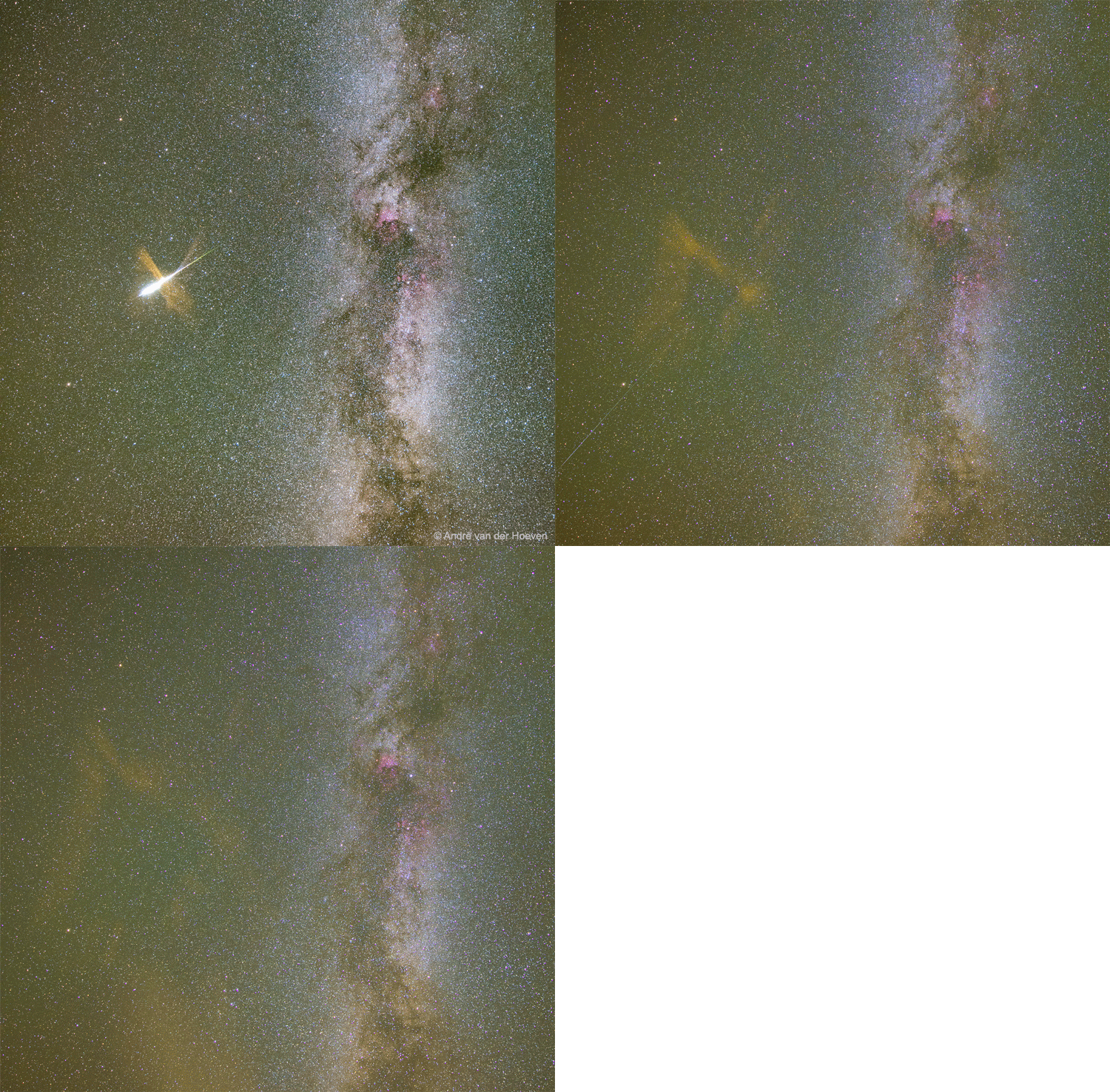
来週末、ペルセウス座流星群が極大を迎えます。地球の大気圏に突入する際に蒸発する氷の粒が、空を横切るように流れます。これらの粒はスウィフト・タットル彗星から放出されたものです。ペルセウス座流星群は、地球がスウィフト・タットル彗星の軌道を毎年横切ることで発生し、通常は年間で最も活発な流星群です。どの流星群でも活動レベルを予測するのは難しいですが、晴れた暗い空では、1分間に1個の流星が見られるかもしれません。今年のペルセウス座流星群は満月のほぼ1週間後に極大を迎えるため、月の光に紛れて見えない流星もあるでしょう。流星群は一般的に、明かりから離れたリラックスした場所から見るのが最適です。ここに掲載されているのは、2015年のペルセウス座流星群の際にオーストリア上空で、天の川銀河の中心帯のそばで爆発する様子を捉えた流星です。APODをフォローするには、Facebook、Google Plus、Instagram、またはTwitterをご覧ください。
原文(English)
Next weekend the Perseid Meteor Shower reaches its maximum. Grains of icy rock will streak across the sky as they evaporate during entry into Earth's atmosphere. These grains were shed from Comet Swift-Tuttle. The Perseids result from the annual crossing of the Earth through Comet Swift-Tuttle's orbit, and are typically the most active meteor shower of the year. Although it is hard to predict the level of activity in any meteor shower, in a clear dark sky an observer might see a meteor a minute. This year's Perseids peak nearly a week after full Moon, and so some faint meteors will be lost to the lunar skyglow. Meteor showers in general are best be seen from a relaxing position, away from lights. Featured here is a meteor caught exploding during the 2015 Perseids above Austria next to the central band of our Milky Way Galaxy. Follow APOD on: Facebook, Google Plus, Instagram, or Twitter
\ この感動を宇宙仲間にシェア /
宇宙をXでシェア
© Andr� van der Hoeven / APOD